Weather and Seasons

The Caribbean enjoys warm, inviting weather all year round, making it perfect for a sun-filled escape. But there are clear patterns, with a dry season and a wet season shaping plans.
The dry season typically lasts from November to April across most islands, bringing bright skies and light breezes.
The wet season runs from May to October, bringing brief showers and higher humidity.
For reliable beach days with minimal rain, the dry season is usually best.
Sea temperatures stay comfortably warm around 26 to 29 degrees Celsius throughout the year.
Shoulder periods, like late spring or early autumn, can provide good weather and better value.
Consider what you want from your trip, whether snorkelling, sailing, or simply sunshine.
Some islands have microclimates; for example, winds can vary from coast to coast.
Reading up on local forecasts helps you choose the right time to visit.
Peak and Shoulder Seasons
Peak season runs from December to April, drawing visitors from colder parts of Europe and North America.
Expect lively beaches, bustling towns, and higher prices during these months.
If you crave tranquillity, shoulder months like May and November offer calmer vibes.
During these periods you can often find better deals on flights and hotels.
The rainy season is more common from May to October, but showers are usually brief.
Humidity can be higher then, and some afternoons may bring a tropical shower.
Hurricanes are possible from June to November, with peak risk August to October.
Regional variations matter, so check island-specific forecasts for the best plan.
Surfing seasons vary, and certain islands offer exceptional conditions at different times.
Planning ahead for transport and accommodation during peak times saves stress.
Practical Planning

To decide when to go, weigh weather, prices, and crowds against your priorities.
If you want guaranteed sun, pick the dry season, but book early.
For budget travel, shoulder seasons often provide good value without sacrificing sun.
Make a note of sea temperatures, which stay warm but can vary by island.
If snorkelling or diving is your priority, certain months offer clearer waters.
Look out for local events and festivals that add to the experience.
Always check hurricane forecasts during the June to November window and insure accordingly.
Packing smartly for any season with light clothing, sun protection, and a light rain layer is essential.
You can tailor a Caribbean itinerary to your preferred balance of sun, sea, and savings.
If you’d like personalised advice or help with dates and bookings, our live chat is ready to help.
Island Variations
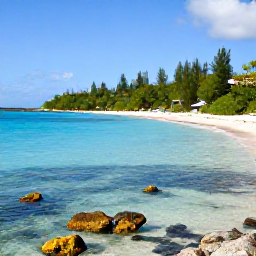
The Caribbean isn’t a single climate; each island has its own rhythm worth noting.
Some islands, like parts of the southern Caribbean, enjoy drier weather and calmer seas.
Others, such as parts of the Bahamas, can experience stronger winds and larger waves at times.
Wind patterns influence beach conditions, snorkelling visibility, and daily plans on island days.
Coral reefs respond to water temperatures, affecting marine life and snorkellers’ experiences.
The best time to visit for families often aligns with school holidays and long weekends.
Couples might prefer quieter mornings or late afternoons for a relaxed break.
Review individual island calendars and marine forecasts for precise planning before you go.
A well-chosen island can maximise sunshine while keeping travel costs reasonable.
Our team can help you compare islands and craft a flexible itinerary that suits you.
If you would like more personalised advice or help with dates and bookings, use the live chat box at the bottom of this page. Our travel experts are on hand to answer questions and help you plan your Caribbean escape.