Wildlife Basics

Caribbean wildlife is wonderfully varied, from forest floors to open seas. The region hosts many iconic birds, mammals, and reef creatures. You’ll see frigatebirds and pelicans gliding along shorelines. Mangroves shelter crabs, juvenile fish, and other small creatures. Coral reefs support a busy underwater world of tropical fish. Green sea turtles nest on many beaches each season. Hawksbill turtles feed on sponges around reef edges. Dolphins frequent calm bays, and occasional manatees are spotted. Marine and coastal life depend on healthy habitats protected by parks. Conservation programmes help safeguard these species for future travellers. If you love wildlife, the Caribbean feels welcoming and alive.
Habitats and Species

Caribbean habitats range from dry forests to rainforests, mangroves to reefs. Each habitat hosts a unique set of species worth discovering. Coral reefs teem with damselfish, parrotfish, and shy colours. Mangroves provide nurseries for many fish and crustaceans. On land, forest birds fill canopies with bright plumage. You may glimpse the red-legged honeycreeper or the green heron. Reptiles and amphibians hide in leaf litter along trails. Locations protected as reserves offer safer habitats for wildlife. Popular routes include guided forest walks and reef snorkel trips. Guides help spot shy birds and hidden critters.
Spotting Tips
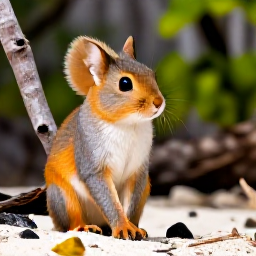
Plan early morning or late afternoon visits for the best wildlife viewing. Go with a licensed guide who knows where to look. Move slowly and keep a respectful distance from animals. Use binoculars and a camera with a telephoto lens. Stay on marked trails to avoid disturbing nests and habitats. Respect signage and avoid feeding wildlife or touching creatures. Quiet observation often reveals shy birds and hidden reef life. Seasonal patterns can change what you see, so ask local experts. Patience often yields the best sightings. Carry a small notebook to record what you see.
Conservation & Travel

Responsible travel protects Caribbean wildlife while you enjoy the trip. Choose eco-certified operators who minimise disruption and waste. Respect protected areas and stay on designated paths. Keep beaches clean and never remove shells, corals, or wildlife. Support conservation projects by donating or volunteering where appropriate. Follow local rules about nesting seasons and protected species. Small acts, like turning off screens and limiting noise, help animals. By travelling thoughtfully, you can enjoy wildlife now and for future generations. Always check nesting calendars before visiting beaches. Choose experiences that support local communities and conservation groups.
Want more information or help planning a wildlife trip? Use the live chat box below.