Ask a question about Caribbean Holidays
Receive an instant answer

How can we help you today?
Loading...
Explore The
Caribbean
Ask a question about Caribbean Holidays
Receive an instant answer

How can we help you today?
Loading...

Cuba Birdwatching February

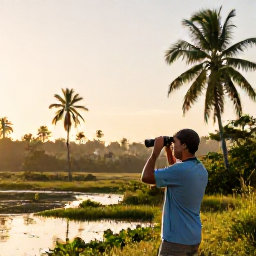
Caribbean Holidays, Cuba Birdwatching February, Birdwatcher using binoculars beside a wetland in Cuba at sunrise, with palm trees and tropical vegetation

Why Visit Cuba in February?

February is an excellent month for a Cuba birdwatching holiday. The weather is generally warm, bright and pleasantly dry, making early starts in the field much more comfortable than during the hotter summer months. Clear mornings also give you the best chance of enjoying active birds before the day becomes busy and warm.

Cuba’s varied landscapes make every outing feel different. You might scan quiet lagoons for waders, follow a forest trail beneath broadleaved trees, or watch the shoreline for seabirds and frigatebirds. With a knowledgeable local guide, you can explore these habitats at a sensible pace while learning about the island’s wildlife and conservation work.
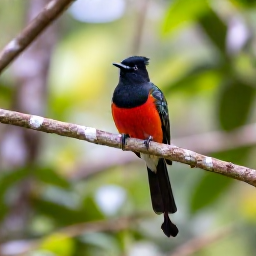
Caribbean Holidays, Cuba Birdwatching February, Cuban trogon perched on a branch in a lush forest, with soft morning light and natural tropical surroundings

Cuban Endemic Birds

One of the great attractions of birdwatching in Cuba is the opportunity to see species found nowhere else. The colourful Cuban trogon is a major highlight, while the tiny Cuban tody is often a favourite with visitors. This jewel-like bird can be surprisingly easy to miss, so patience and a good guide are valuable.

February can also bring sightings of the Cuban solitaire, Cuban green woodpecker and Fernandina’s flicker, depending on where your itinerary takes you. Some birds are best located by their calls, and local expertise helps you identify the sounds and understand where to look. Even familiar-looking species may reveal themselves as distinctive Cuban subspecies.

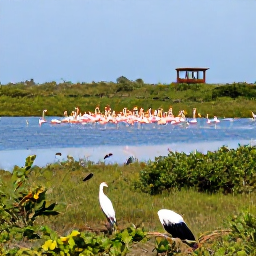
Caribbean Holidays, Cuba Birdwatching February, Large Cuban wetland with flamingos, herons and other waterbirds, viewed from a quiet observation point

Wetlands and Coastal Wildlife

Cuba’s wetlands are among the most rewarding places to spend a morning with binoculars. In the Zapata Swamp, one of the Caribbean’s most important natural areas, waterways and mangroves support herons, egrets, kingfishers and a wide range of migrant birds. February is a particularly good time to look for winter visitors alongside resident species.

Coastal areas add another dimension to a Cuba birdwatching holiday. Calm bays, salt flats and shallow lagoons may hold flamingos, pelicans, terns and waders, often with dramatic skies and open views across the water. Take a quiet approach and you can enjoy excellent observation without disturbing the birds.

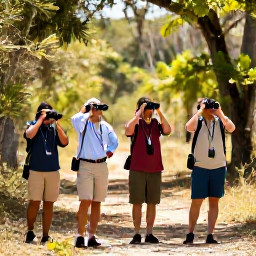
Caribbean Holidays, Cuba Birdwatching February, Small group of birdwatchers on a forest path in Cuba, carrying binoculars and spotting scopes in warm February sunshine

Planning Your Birdwatching Holiday

A successful February trip usually combines several habitats rather than staying in one location. Cuba’s western wetlands, forest reserves and coastal regions each offer different possibilities, so a carefully planned route can produce a varied list of sightings as well as a fascinating introduction to the island.

Pack lightweight clothing, comfortable walking shoes, sun protection and insect repellent, along with binoculars and a notebook. Mornings can feel fresh, particularly near water, so a light layer is useful. Most importantly, allow time to enjoy the experience: the quiet trails, friendly local communities and relaxed Cuban atmosphere are all part of the appeal.